
Last Updated: October 14, 2026
An extended warranty for exercise bikes is a service plan that covers repair and replacement costs beyond the manufacturer’s standard warranty period. It typically extends protection for an additional 2-5 years, depending on the plan you choose.
Most extended warranties cover mechanical failures, electrical component breakdowns, and parts replacement. Common covered items include the resistance system, drive motor, console display, pedals, and crank assembly. However, coverage varies significantly between plans. Some warranties include in-home service calls, while others require you to arrange repairs independently or ship the equipment to a service center.
The key distinction is what’s included versus what’s excluded. A solid extended warranty should specify exactly which components are covered, what the deductible is (if any), and whether labor costs are included. Many plans cover parts and labor for mechanical issues but exclude damage from normal wear and tear, accidents, or improper maintenance.
Exercise bikes fail in predictable ways, and knowing the typical repair costs helps you evaluate whether an extended warranty makes financial sense.
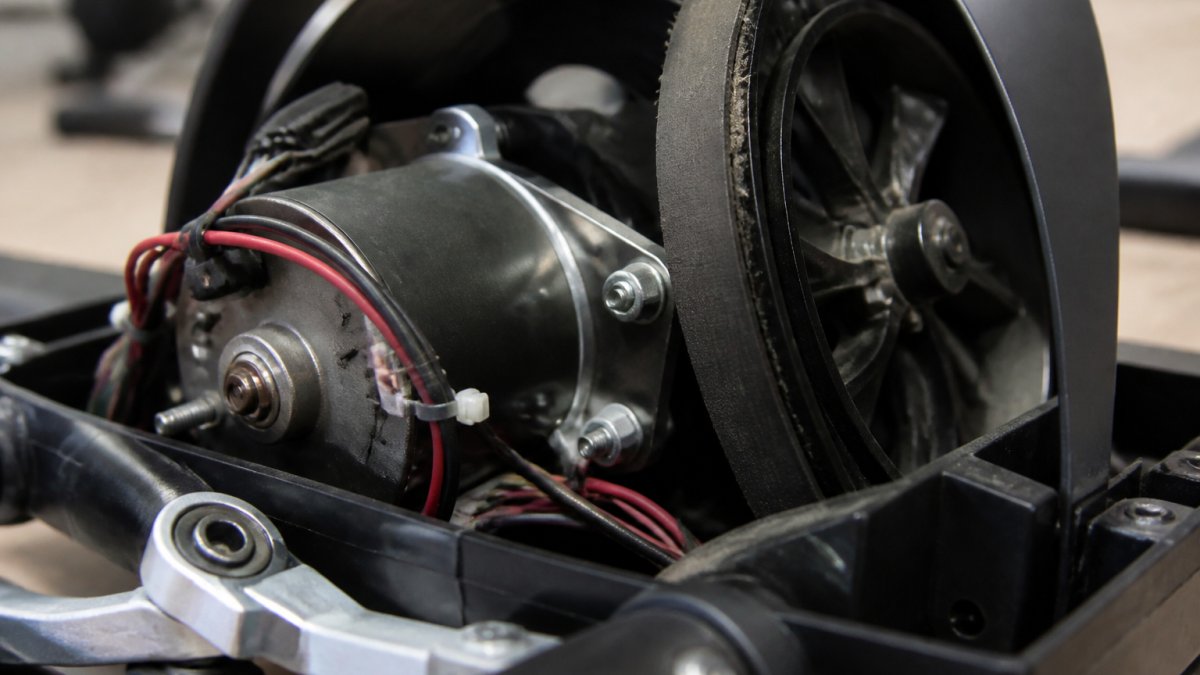
Motor and resistance system failures are among the most expensive repairs. The drive motor that powers the bike’s resistance adjustments can fail after years of use, and replacement typically requires professional service. Similarly, the resistance mechanism, whether magnetic, friction-based, or electronic, represents a significant component that can wear out or malfunction.
Console and display problems are equally common. The digital display, touch screen, or control board can malfunction due to moisture exposure, electrical surges, or normal electronic degradation. Replacing these components often requires ordering parts directly from the manufacturer, which adds to the overall cost.
Structural and mechanical issues include pedal replacements, crank arm failures, belt wear, and frame damage. While individual pedal or belt replacements are relatively inexpensive, cumulative repairs add up quickly over the life of the equipment.
The reality is that repair costs for quality exercise bikes often range from moderate to substantial, depending on which component fails and whether you need professional installation. This is where many buyers start considering whether an extended warranty would have been worthwhile.
Understanding the gap between what the manufacturer covers and what an extended warranty provides is essential to making an informed decision.
Most exercise bikes come with a manufacturer’s standard warranty that typically covers 1-2 years of protection against defects in materials and workmanship. This initial warranty usually covers parts and labor for mechanical failures that occur under normal use. However, it often excludes wear-and-tear items like belts, pedals, and grips that naturally degrade over time.
The manufacturer’s warranty also has time and usage limitations. Once the coverage period expires, usually 12-24 months, you’re responsible for all repair costs. This is where the gap between manufacturer protection and extended warranty coverage becomes critical.
An extended warranty picks up where the manufacturer’s warranty ends. If you purchase a 3-year extended plan, for example, you’re protected from year 2 through year 4 (or beyond, depending on the plan structure). This bridge period is significant because many exercise bike components begin showing wear around the 2-3 year mark with consistent use.
The overlap between these two types of coverage matters too. Some extended warranties begin immediately upon purchase and run concurrently with the manufacturer’s warranty, meaning you have redundant coverage during the first year or two. Others activate only after the manufacturer’s warranty expires. The second approach is more cost-effective for the warranty provider but offers you better value by extending your total protection window.
Extended warranties sound comprehensive until you read the fine print. Understanding what’s explicitly excluded from coverage is just as important as knowing what’s included.
Wear-and-tear exclusions are nearly universal. Most extended warranties exclude damage from normal use, including worn belts, frayed grips, faded displays, and degraded cushioning. The logic is that these items naturally wear out and aren’t considered “failures.” However, this distinction can be contentious, is a resistance system that gradually loses responsiveness a wear-and-tear issue or a mechanical failure?
Maintenance-related exclusions often void coverage if you haven’t followed the manufacturer’s recommended maintenance schedule. If your warranty requires monthly lubrication or belt tension checks and you haven’t performed them, the warranty provider can deny claims related to those components.
Accidental damage and misuse are typically excluded. If your bike is damaged by dropping it, spilling liquid on the console, or using it in ways the manufacturer didn’t intend, the warranty won’t cover repairs. This includes damage from power surges, water exposure, or environmental factors like extreme heat or humidity.
Cosmetic damage is almost never covered. Cracks in the frame, chipped paint, or damaged upholstery fall outside warranty protection. Cosmetic issues don’t affect functionality, so warranty providers exclude them as a cost-control measure.
Deductibles and claim limits vary by plan. Some extended warranties charge a deductible per claim (typically $50-$150), while others are deductible-free. Some plans also cap the total payout, meaning once you’ve claimed repairs up to a certain dollar amount, additional coverage ends.
Understanding these exclusions helps you assess whether the extended warranty actually protects you against the failures you’re most likely to experience.
Deciding whether an extended warranty makes financial sense requires a simple break-even analysis: Does the warranty cost less than the repairs you’re likely to need?
Start by estimating your usage. Heavy users, those exercising 5+ days per week for years, put more stress on equipment and face higher failure risk. Moderate users (2-4 times weekly) experience fewer issues. Light users (once weekly or less) rarely encounter significant problems.
Next, consider the equipment’s expected lifespan. Quality exercise bikes typically function reliably for 5-7 years with consistent use. Budget models may start showing problems earlier. If you plan to own your bike for only 2-3 years, the extended warranty covers a shorter window and becomes less valuable.
The warranty cost itself is critical. Today’s Wellness Zone offers carefully curated fitness equipment backed by vendor warranties, and extended warranty exercise bikes vary in price depending on the bike’s value and coverage scope. Compare the warranty cost against realistic repair expenses. If a typical motor replacement costs $300-$500 and you’re paying for a 3-year extended warranty, the math favors the warranty if even one major repair occurs during that period.
Factor in the probability of failure. Bikes from established manufacturers with solid reliability records require fewer repairs than budget models. If you’re purchasing a well-reviewed bike with a proven track record, the odds of needing major repairs during years 2-4 decrease, making an extended warranty less essential.
Consider your financial situation. If you can comfortably absorb a $300-$500 repair bill without stress, self-insuring (skipping the warranty and setting aside money instead) may make sense. If unexpected repair costs would strain your budget, the peace of mind and predictable expenses of an extended warranty become more valuable.
A practical framework:
Buying a used exercise bike introduces additional warranty complexity that new bike buyers don’t face.
When you purchase a used bike, the original manufacturer’s warranty typically doesn’t transfer to you as the new owner, or it carries a much shorter remaining coverage period. This means you’re starting from day one of ownership without manufacturer protection. Extended warranties become more attractive in this scenario because you lack any baseline coverage.
However, many extended warranty providers exclude used equipment or offer coverage only if purchased within a specific timeframe after the original purchase. Some require proof of the original purchase date and warranty status. Before buying a used bike, verify whether extended warranties are even available for your specific model and purchase situation.
The used bike’s age and condition also matter. A 3-year-old bike already has 3 years of wear on its components. The remaining lifespan is shorter, so an extended warranty covers a smaller window of protection. Additionally, used bikes may have pre-existing issues that extended warranties explicitly exclude (damage that occurred before your purchase).
If you do purchase extended coverage for a used bike, ensure the plan covers the components most likely to fail given the bike’s age. A 5-year-old bike’s original console may already be at risk, so verifying that electronic component failures are covered becomes essential.
Extended warranties aren’t the only way to protect yourself against repair costs. Several alternatives offer different levels of protection and financial flexibility.
Self-insurance through a dedicated savings account is a straightforward approach. Rather than paying for an extended warranty, set aside the equivalent amount monthly into a separate account designated for bike repairs. If no repairs occur, you’ve saved money.
Manufacturer care plans sometimes offer better terms than third-party extended warranties. Some bike manufacturers provide their own extended coverage directly, which may include benefits like priority service or replacement options that third-party plans don’t offer.
Preventive maintenance programs reduce failure risk by addressing small issues before they become expensive problems. Regular maintenance, lubricating the belt, checking resistance calibration, cleaning the console, extends component life and prevents premature failures.
Purchasing from retailers with strong return and exchange policies provides a safety net. Today’s Wellness Zone, for example, backs its carefully curated fitness equipment with a 30-day return policy and vendor warranties.
Manufacturer repair programs sometimes offer discounted rates for out-of-warranty repairs. Some bike makers provide service discounts to registered owners, reducing repair costs without requiring an extended warranty purchase.
Credit card protection may cover equipment damage in some cases. Certain premium credit cards offer purchase protection or extended warranty benefits automatically when you charge the purchase to that card.
The best alternative depends on your financial situation, risk tolerance, and the bike’s quality. Premium equipment from reliable manufacturers combined with a strong return policy often makes extended warranties unnecessary.
Deciding whether to purchase an extended warranty for an exercise bike comes down to matching the warranty’s cost and coverage against your specific situation. Heavy users with budget-model bikes typically benefit from extended protection.
At Today’s Wellness Zone, we help you make informed equipment choices by offering 100% original fitness equipment backed by vendor warranties and a 30-day return policy. Our carefully curated selection focuses on reliable, well-reviewed bikes that minimize unexpected repair needs.
Most extended warranties for exercise bikes cover mechanical and electrical failures, including the motor, resistance system, console, and control board. Coverage typically includes parts and labor for repairs or replacement of defective components. However, warranties exclude wear and tear, normal maintenance, damage from misuse, and cosmetic damage. Always review the specific coverage terms and claim limits before purchasing, as exclusions vary significantly between manufacturers and warranty providers.
Extended warranties for used exercise bikes are generally less valuable than for new equipment. Used bikes may already have partial component wear, and manufacturers often limit extended warranty eligibility based on original purchase date. If the bike is several years old, the manufacturer’s standard warranty has likely expired, making an extended plan more expensive relative to remaining equipment lifespan. Consider the bike’s condition, age, and repair history before deciding.
Extended warranty pricing depends on the bike’s purchase price, coverage term, and what’s included. Contact Today’s Wellness Zone or check your bike’s documentation for current pricing based on your specific equipment.
First, many exercise bike failures occur early in the product’s life, covered by the manufacturer’s standard warranty, making extended protection redundant. Second, extended warranties often exclude the most common failure points like wear on pedals, belts, and seat cushions, which are inexpensive to replace yourself. If you maintain your equipment properly and have savings set aside for repairs, self-insuring may be more cost-effective than paying for coverage with significant exclusions.
